Contents
Flexible power generation
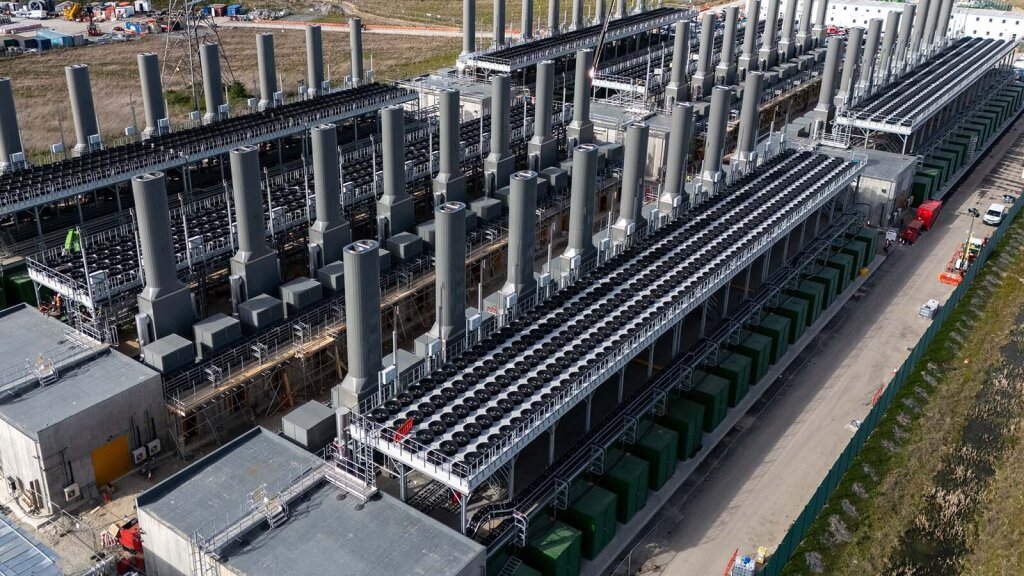
Our project will use natural gas or hydrogen-ready turbines (CCGT / OCGT), or gas reciprocating engines.
The Theddlethorpe Flexible Generation project will provide fast, dependable electricity to support the national system during periods of high demand or low renewable output. The project is considering two main technology options: either open cycle or closed cycle gas turbines (OCGT or CCGT) and reciprocating engines, either fuelled by natural gas or hydrogen, both of which offer rapid start‑up and the ability to deliver power quickly when required. These technologies help stabilise the electricity network to meet demand.
We are exploring carbon capture for some natural‑gas‑fuelled options. This technology would capture CO₂ from combustion exhaust to prevent or reduce releases into the atmosphere. Any carbon‑capture system would include additional processing equipment and require coordination with potential CO₂ transport and storage networks.
The final choice of technology will depend on technical performance, environmental assessments, fuel availability, and compatibility with wider project elements such as battery storage. This flexible approach ensures the project can respond to national electricity system needs and adapt as the UK’s energy infrastructure evolves.
Battery energy storage systems (BESS)
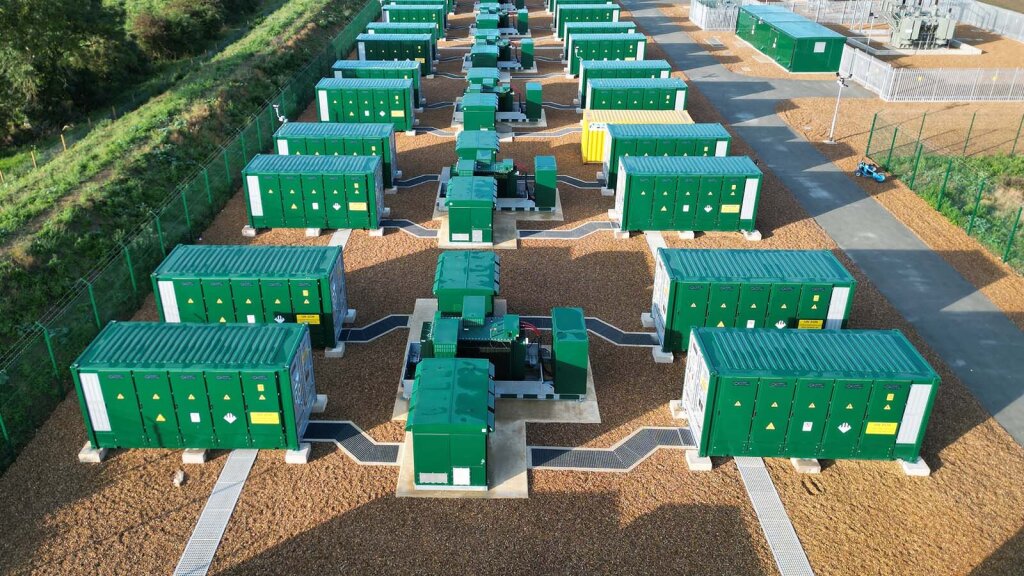
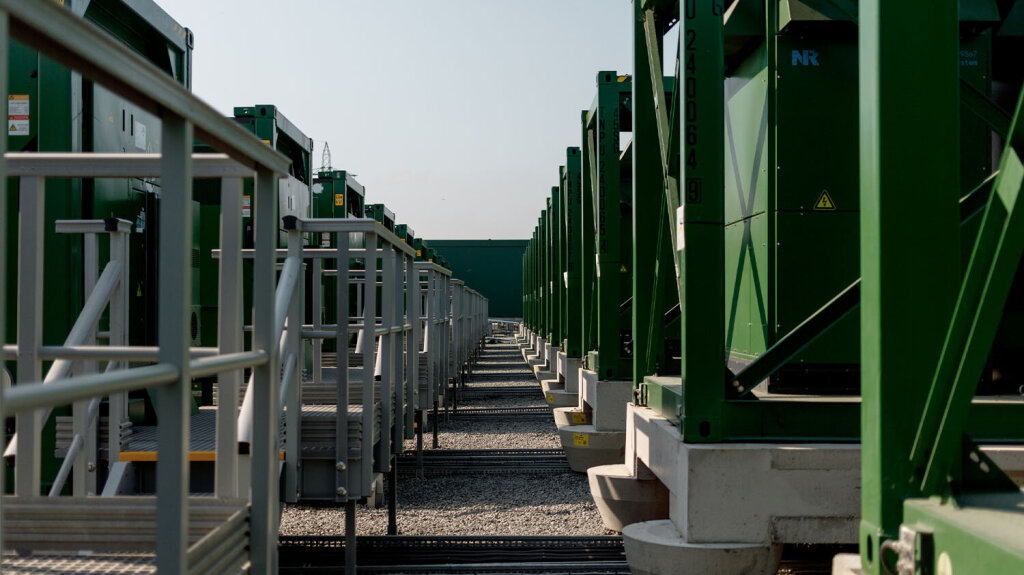
Our project will provide grid scale BESS to be located at Stain Lane and Strubby Airfield.
Renewables offer the cheapest electricity generation for consumers, helping ensure security of supply and provide a cleaner, greener outlook for future generations.
Wind and solar will become the dominant forms of electricity generation but are inherently intermittent and generate only when weather conditions are right. Balancing their output therefore is ever more challenging. BESS facilities support renewable generation by allowing electricity from the grid to be stored at times of high generation and then exported back into the grid at times of higher demand. BESS facilities have no start-up delays and respond more rapidly and efficiently than other types of balancing services, improving grid stability and system resilience.